
Best 3-Reel Slots in the UK: How They Work
 Available in GB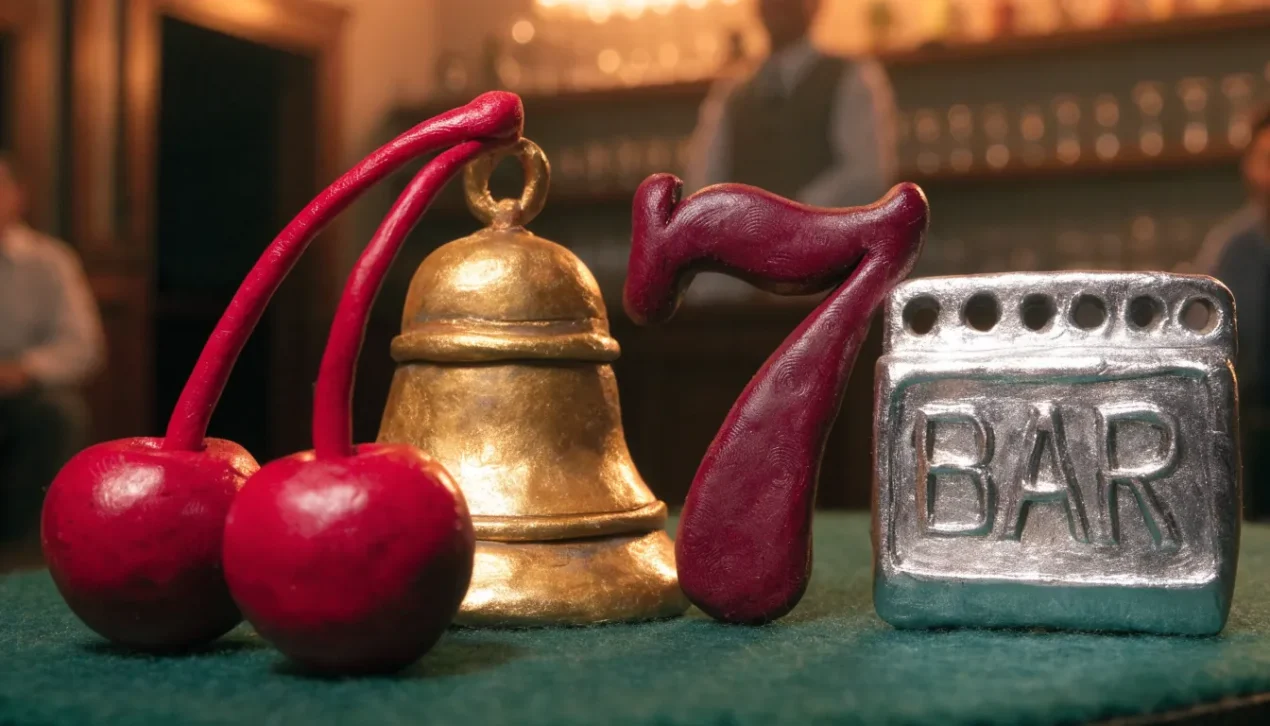
Explore the old-school appeal of three-reel slots, how their mechanics compare with video slots, and what to consider before playing.
What Three Reels Actually Change
Three-reel slots are the compact end of the slot-machine family. The layout is easy to recognise: three vertical reels, symbols arranged across them, and a result created when the reels stop. The visual language is usually familiar too — fruit, bars, bells, sevens and other symbols associated with traditional fruit machines.
That smaller layout changes the feel of the game more than it changes the basic idea. You still choose a stake, start a spin and wait for the reels to settle. What changes is the amount of visual information in front of you. There are fewer reels to scan, fewer moving parts on screen and generally less of the busy presentation associated with modern video slots.
I have always found that difference noticeable. A three-reel game gets to the point. There is no long tour of a fictional world before the result appears, no crowded screen competing for attention and no need to learn a story before understanding the spin. You see the symbols, watch them stop and read the outcome. That directness is a large part of the classic appeal.
It is also why the phrase “best” needs handling carefully. Best for what? A player looking for the old fruit-machine appearance may want something simple and recognisable. Someone who prefers layered features and elaborate presentation may find the same game too plain. A short reel layout is not automatically better or worse; it offers a particular kind of session.
The defining difference
The key feature is the reel count. With three reels, a winning arrangement has fewer columns to consider than a game built around a larger modern layout. That gives the game its stripped-back appearance and makes each visible symbol feel more important.
A five-reel slot can have a bet applied across all five reels, which shows the broader design space available in the format. More reels can support more elaborate combinations and a denser screen. Three-reel slots sit at the other end of that spectrum: compact, recognisable and focused on the central spin.
That does not mean every three-reel slot behaves identically. The artwork, symbols, winning arrangements, stakes and rules can vary from one game to another. The reel count tells you what the machine looks like and how its basic layout is organised; it does not tell you everything about the way a particular title operates.
Games: Casino Slots, Table Games and Live Play
This distinction matters because advertising often turns a simple label into a promise. “Classic” can mean familiar graphics, but it does not guarantee a particular result. “Simple” describes presentation, not the outcome of a session. “Best” is a preference dressed up as a verdict. I have chased that sort of wording before. It usually made me expect more than the game was ever designed to provide.
A smaller screen is not a smaller decision
The uncluttered design can make a three-reel slot feel easier to understand, but it does not remove the need to pay attention. You still need to know what a spin costs, which symbols matter and how the game defines a winning result. The screen may be old-school; the decision to stake money is still a real one.
That is especially relevant when browsing three-reel slots online. A web version may preserve the classic appearance while presenting it through a modern casino interface. The reels can look like a traditional machine even when you are viewing them in a browser. The format remains the same at a glance, but the surrounding page may include account controls, payment options and other casino features.
I keep those two things separate: the game’s appearance and the conditions attached to playing it. A familiar bell or seven can trigger nostalgia, but nostalgia is not information. It tells you why the design catches your eye, not what will happen during the session.
The same applies to the word “classic”. Classic three-reel slots generally refer to the traditional style rather than a single fixed rulebook. One title may feel bare and mechanical; another may add visual polish while keeping the three-reel structure. The shared identity comes from the compact layout and straightforward presentation.
What to look for in a guide
A useful guide should begin with the format rather than pretending that one title suits everybody. Look at how clearly the game presents its reels and symbols. Consider whether you want a quiet, direct interface or something with more activity around the spin. Check the rules shown by the operator before treating a familiar design as self-explanatory.
Format
Three-reel slots
Visual Style
Classic fruit machine
Key Feature
Compact layout
I would also separate a game’s character from its sales language. A slot can be attractive without being generous. It can be simple without being effortless. It can carry the look of a traditional fruit machine without recreating every detail of one found in a physical arcade.
So, when you see a page about the best three-reel slots in the UK in 2026, read “best” as a starting label, not an objective measurement. The useful question is whether the format matches the sort of play you want: three clear reels, a compact presentation and fewer distractions than many larger designs.
That is the real change. Not magic. Just less on the screen.
Fruit Machines, Free Play and the Old-School Feel
There is a particular look to a classic fruit machine: bright fruit, bars, bells, cherries and a row of reels that seems to invite one simple decision. Press the button, watch the symbols settle, and see whether the line comes together. Three-reel slot games carry that same visual language online, even when the screen is cleaner and the sound effects are less interested in shouting across a noisy arcade.
I still understand the appeal. I have spent enough time with modern casino games to appreciate a design that does not bury the basic action under layers of menus, missions and animated characters. A three-reel slot machine is easy to read at a glance. You see the reels, the symbols and the winning pattern. That is most of the conversation.
The fruit-machine connection
The phrase “fruit machine” is not just decoration. It points to the familiar British style of gambling machine built around fruit symbols and compact reel layouts. Online versions borrow the appearance and rhythm rather than placing a physical cabinet in front of you. The result can feel like a digital version of an old pub or arcade machine, without the metal casing, buttons and flashing lamps.
Best RTP Casino Slots UK: Understanding Returns
That old-school feel comes from restraint. The screen does not need to explain a fictional world before you can start. A cherry is recognisable. A bell is recognisable. A bar symbol needs no backstory. Even when the artwork is polished, the basic presentation remains direct.
My own mistake with these games was assuming that a simple appearance meant a simple outcome. It only means the interface is simple. The spin still depends on the game’s underlying rules, and familiar symbols do not make a result more predictable. Simple screen. Same uncertainty.
What makes the format feel different
Three-reel machines tend to put attention on the individual spin. With fewer visible reels than many newer games, the result is easier to follow as it lands. There is less visual noise, fewer distractions and usually less sense that something is happening somewhere else on the screen.
That can make the pace feel calmer, although the button itself still creates a repetitive rhythm. You choose the available play setting, start the spin and watch the reels stop. If the symbols do not line up, the next spin looks much like the last one. That repetition is part of the attraction for some players and exactly what wears others down.
The compact format also suits people who want to understand the layout before playing. You are not studying a crowded screen full of feature symbols, side games and progress meters. The classic presentation gives you a clearer view of what is happening visually, even though it does not turn chance into a skill.
DO
- Use free play to test the interface
- Check the rules and paytable before playing
- Set a session boundary before depositing
DON’T
- Treat demo credits as real money
- Assume a simple look means a simple outcome
- Chase losses to repair a balance
Trying free play
Free three-reel games are useful when you want to experience the format without treating the session as a money-making activity. In free play, the credits shown on screen are not cash. They are supplied for play only, and any balance produced by the game cannot be withdrawn as winnings.
That distinction matters because the display can look convincing. A balance may rise, fall or appear to support another spin, but it remains part of the demonstration. No deposit is being converted into a payout, and a winning combination does not create money that can be collected later.
I use free play as a way to check whether the presentation suits me. I can see how the reels move, whether the symbols are easy to read and whether the sound becomes irritating after repeated spins. It is also a chance to notice how quickly the experience becomes routine. That is valuable information before confusing nostalgia with enjoyment.
Free play does not prove that a paid session would go well. It only lets you handle the format without staking cash. Think of it as a test drive, not a hidden prize fund.
Why the old style remains recognisable
Three-reel slot machines in the UK may now appear through an online screen rather than a physical cabinet, but the basic visual promise has survived: a small number of reels, familiar symbols and an uncomplicated spin. For some players, that is the point. They want the fruit-machine atmosphere without a complicated presentation.
For me, the best part is the clarity. The worst part is also the clarity. Once the novelty fades, there is nowhere for the experience to hide. You either like the short, traditional format or you do not.
Best High RTP Slots UK: What the Figures Mean
Real-Money Play: The Limits That Matter
The moment you leave the free-play screen and stake actual money, the little three-reel game becomes gambling rather than a harmless trial. The reels may look exactly the same, but the result now affects your balance. I have made the mistake of treating a small stake as if it made the session harmless. It does not. Small bets can still be repeated until the total loss is larger than expected.
For real-money 3 reel slots in Great Britain, the age of the customer matters to the maximum permitted stake. Customers aged 25 and over can stake no more than £5 per online slot game cycle. Customers aged 18 to 24 face a £2 maximum per cycle. A cycle means one completed slot game round, not an entire evening and not the amount sitting in the account.
Those limits are described in a specialist review, so I would not treat the wording as permanent law carved in stone. Rules can change, and the operator should show the limit that applies when you play. The important practical point is that the ceiling concerns the stake on an individual online slot cycle. It does not tell you how much a session might cost if you keep starting new cycles.
What changes when money is involved
Free credits remove the direct financial consequence of a losing spin. With real-money play, every stake comes from your balance or from funds you have deposited. A win can return money, but it does not turn the game into an income source. The machine still decides each result under its own rules, and a run of losses can reduce the balance quickly through repetition.
That is why I separate “real money” from “better”. Paying does not improve the three-reel format, unlock a secret advantage or make a classic game more predictable. It only gives the results a cash value. If you are comparing the best real-money 3 reel slots, start with the practical question of what you are willing to lose, rather than assuming the label “best” means profitable.
British remote gambling is regulated by the UK Gambling Commission, which oversees online casinos and issues operating licences.
British remote gambling sits within the UK Gambling Commission’s regulatory framework. The regulator oversees gambling activity, including online casinos, and regulates remote gambling offered to consumers in Great Britain even when the key equipment is located elsewhere. It is the sole regulator for commercial gambling in Great Britain. The Commission issues operating licences to businesses and personal licences to individuals working in the sector.
That framework matters, but it is not a promise that a slot session will end in profit. Regulation concerns the operator and the conduct of gambling; it does not remove the mathematical risk from a losing result. I still read the stake shown before confirming a spin, because assuming that a familiar-looking game uses the same settings as another one is an easy way to lose track.
Slots are not table games
The Great Britain online slot stake limits are specific to online slots. They do not apply to roulette or blackjack. Moving from a three-reel slot to a table game is therefore not simply changing the picture on the screen while keeping the same slot rule. Roulette and blackjack are separate casino games, with their own mechanics and treatment.
That distinction is particularly easy to miss when a casino places slots, live tables and digital table games in the same menu. A real-money slot stake limit should not be read as a universal casino betting limit. Check which game you have opened and what type of wager is being accepted.
Best Bonus Buy Slots UK: How Bonus Buys Work
If you are searching for three-reel slots free online or a no-registration trial, that belongs to the low-risk testing side of the experience: fake credits, no withdrawable winnings and no cash stake. Once you choose a paid session, the relevant question is no longer whether the reels look old-fashioned. It is whether the stake is clear, the limit fits your age group and the amount at risk is money you can genuinely leave behind.
I learned that last part the expensive way. A small spin is still a paid spin.
Free Online Slots: A No-Cash Trial, Not a Payout
Free online play is the simplest way to see whether a classic three-reel game still holds your attention. You open the game, choose a stake setting supplied by the demo, and spin with credits displayed on the screen. Those credits are fictional. They are there to operate the game, not to represent money in your account.
That distinction matters more than the word “free”. Free means you are not staking cash and cannot withdraw anything you win. A balance can rise, fall or disappear, but it remains part of the demonstration. There is no cash-out waiting behind it, and no conversion into a deposit or prize.
I learnt this the slightly annoying way: a demo balance can make a session feel successful because the number on screen climbs. It is easy to start treating that number as if it has value. It does not. The result is entertainment and practice, nothing more.
What a demo can show you
A free classic slot lets you examine the basic rhythm before money becomes part of the decision. You can see how the reels stop, how symbols line up and how the game displays a winning combination. With old-fashioned three-reel slots, that compact presentation is often the main attraction: fewer moving parts, a short set of symbols and a familiar fruit-machine appearance.
What is a demo?
Free online play uses fictional credits that cannot be withdrawn as winnings. It is a way to experience the format and rhythm of the game without staking real money.
You can also find out whether the pace suits you. Some players like the deliberate pause before the reels settle. Others find the repetition dull after a short session. A no-cash trial answers that better than promotional language does.
It is also useful for understanding the control panel. Look at the stake selector, spin button, paytable and balance display. If the game offers different ways to arrange a wager, take time to see what changes on screen. Do not assume that a larger displayed win means the game is generous in any broader sense. It only describes that particular simulated result.
What it cannot prove
A free session cannot show you how you would handle losing money. That is its largest limitation. Because the credits have no value, a bad run is easy to dismiss and a good run is easy to enjoy. Neither tells you what would happen to your spending decisions during paid play.
It cannot provide a reliable route to a high-paying three-reel game, either. A large-looking win in demo mode is not evidence that the slot will produce the same result for you later. Nor does a run of empty spins create a debt that the machine must repay. Each displayed outcome belongs to that game session.
People also ask how to win on three-reel slots, as though the right sequence or timing might unlock a result. Free play is a good place to discard that idea. Pressing the button at a different moment does not turn a losing combination into a winning one, and a previous demo result gives you no claim on the next spin.
A sensible way to use free play
Treat the trial as a short inspection rather than a rehearsal for profit. Check whether you understand the symbols and controls, notice how quickly the balance changes, and stop when you have learnt what you wanted to learn. If the only enjoyable part is watching a fictional balance rise, that is useful information too.
Online Slots Payout Percentage: How RTP Works
The cleanest rule is simple: demo credits stay demo credits. No payout, no withdrawal, no hidden bankroll. Just a way to see whether the old format works for you before cash enters the picture.
Playing for Money Online Without Chasing the Spin
Moving from a free classic slot to real-money play changes the feeling quickly. The reels may look identical, but every spin now has a cost attached to it. I have made the mistake of treating that cost as small enough to ignore. It was not the size of one stake that hurt; it was the number of times I stopped noticing it.
That is the practical difference when you play three-reel slots online for real money. You choose a stake, start a paid game cycle and watch the result. A win can return more than the amount staked, but a losing spin removes that stake. The old fruit-machine appearance does not soften the arithmetic.
Start with a session boundary
Before opening a classic three-reel slot online, decide what the session is allowed to cost. A financial limit is more useful when it is set before the first deposit, while the decision still feels deliberate rather than urgent. British remote operators must prompt new customers to set such a limit and provide account-level controls for changing it.
I find a short written boundary works better than a vague promise to “be sensible”. Once the money is in the account, the balance on screen can start to feel like points rather than cash. That is where I have gone wrong before. A loss becomes something to repair, and the next spin gets sold as the repair.
Small stakes can be repeated until the total loss is larger than expected. Never treat a small bet as if it makes the session harmless.
It is not.
Online slot autoplay is banned in Britain, so each spin requires an active choice. That does not make chasing impossible; it simply puts a pause between game cycles. British online slot spins must also last at least 2.5 seconds from the start of one cycle before the next can begin. Use that pause as a check, not as a countdown to the next stake.
What repeated play really means
A run of wins can make a paid session look under control, especially when the wins arrive often enough to keep the balance moving. But frequent returns are not the same as a profitable session. The key question is whether the total returned eventually exceeds the total staked, not whether the machine has been generous for a while.
Every game with a positive house edge carries a negative mathematical expectation over enough sessions. The losses may appear gradually, with winning spins mixed through them, but the long-run expectation does not become favourable because the wins arrive regularly. That was another lesson I learned late: a balance can fluctuate upwards and still be part of a losing pattern overall.
So, if you want to play three-reel slots for real money, treat the paid version as entertainment with a defined cost. Do not increase the stake to recover a previous result, and do not turn a finished limit into an invitation to redeposit. The classic look may be simple. The temptation is not.
Best First Deposit Bonus Casino UK: What to Check
Paylines, Odds and What a Machine Can’t Tell You
Paylines are where many descriptions of classic machines become more confident than they should be. A three-reel slot may look simple enough to count at a glance, but the visible reels do not, by themselves, tell you how winning lines are arranged. You still need the game’s paytable or rules screen to see which symbols must land, where they must land, and what stake is attached to the selected line.
That matters when you are comparing three-reel fruit machines. The familiar layout suggests a straightforward game, but appearance is not a specification. One title might use a single central line; another might offer more than one way to win. Without the individual game rules, calling a particular layout standard would be guesswork.
What “paylines” really means
A payline is the route used to judge a combination. On a classic-looking slot, that route may run across the reels in a simple pattern. The important point is that reel count and payline count are separate things. Knowing that a game has three reels does not reveal how many active lines it has.
The same caution applies to the amount you stake. Some games let you choose lines or change the value attached to them; others present their betting options differently. I have made the lazy assumption that a small, old-school display must mean a small set of rules. It is an easy mistake, especially when the graphics are doing most of the talking.
The useful check is not the cabinet style or the fruit symbols. Open the information panel and look for:
- the active lines or winning patterns;
- the symbols that can form a win;
- whether matching symbols must appear on adjacent reels;
- the return attached to each listed combination;
- how the chosen stake is calculated.
If those details are not clear, you do not yet know the machine’s payline structure.
Why odds are harder to read
People also ask for the odds on a three-reel slot, hoping for one clean figure. That is not how the question works. The outcome depends on the game’s symbol distribution, its rules for matching combinations, the stake arrangement and the return table. A three-reel appearance cannot supply those details.
So I would not attach a made-up probability to a particular online title, whether you are looking at a paid game or a free version. Free play changes the money involved, not the underlying need to read the rules. The trial credits are not evidence that the machine is more generous, and a short run of wins does not reveal its mathematical design.
There is also a trap in watching results and trying to calculate certainty from them. A few spins can show what happened during those spins. They cannot establish the true odds of every combination. Nor does a losing sequence prove that a win is “due”. The reels do not owe the next result an adjustment.
Summary of Play
- Three-reel slots offer a compact, direct experience with fewer distractions.
- Free play is a useful testing tool, but demo wins have no cash value.
- Real-money play involves mathematical risks and specific stake limits based on age.
- Always check the paytable to understand paylines and symbol values.
A sensible comparison
For three-reel slot machines online, compare what is actually displayed rather than relying on the label “classic” or “fruit”. Check the paytable, the betting controls and the stated winning patterns. If the rules do not disclose a specific payline layout or odds, leave those details unclaimed.
That may sound less exciting than a precise rating. It is also more honest. Clean numbers from nowhere are still fiction.
No-Download Play and the Difference from Video Slots
A browser is often all you need to open a classic three-reel game. You select the slot, wait for it to load, and play in the page rather than installing software on a computer or phone. That matters when you are simply checking whether the format suits you. I have abandoned plenty of games after a few minutes; downloading each one would have made that small test unnecessarily awkward.
“No-download” describes access, not the financial side of play. A game can open directly in a browser and still be offered in a real-money environment. Equally, a browser version can be available for a no-cash trial. Those are separate questions. The absence of an installation file does not turn a paid game into free play, and it does not make trial credits withdrawable.
What browser access changes
The main difference is friction. You do not need to install a dedicated application, manage another programme, or keep a game file on your device. You open the casino page, choose a title, and close the tab when you are done. That makes browser play a practical way to sample classic slots online, especially if you are looking for a simple three-reel layout rather than a large catalogue of features.
It also keeps expectations in the right place. No-download does not mean anonymous, unrestricted or automatically suitable for wagering. If you move from trying a game to depositing, the operator still has to apply the relevant checks and controls for British gambling. The format of access does not remove those responsibilities.
I treat the browser version as a first impression, not a recommendation. The reels may look familiar, but the page can still differ in controls, presentation and the way the available game information is displayed. A quick trial tells you whether the basic rhythm feels comfortable. It does not tell you that the game will produce a favourable result.
How much can I stake?
Customers aged 25 and over can stake no more than £5 per online slot game cycle, while those aged 18 to 24 face a £2 limit.
Is a three-reel slot easier to win on?
No. A simple layout describes the presentation, not the mathematical outcome or the likelihood of a win.
What is the difference between classic and video slots?
Classic slots focus on a compact, traditional layout with fewer moving parts, whereas video slots often include more elaborate themes and complex animations.
Classic slots and video slots
The phrase “classic slot” usually points to a compact, traditional presentation: a small set of reels, familiar symbols and a straightforward spin. The attraction is that the game does not ask you to learn a story, follow a map or wait for a long sequence of on-screen events before understanding what happened. You can see the result and move on.
Video slots take a broader approach. They may present more visual material and a more elaborate theme, while the player interacts with a game that feels less like a bare fruit-machine display. That comparison is about style and presentation, not a promise that one format pays better. A more decorated screen is not evidence of better value, just as a plain layout is not evidence of worse value.
The difference can be felt in the amount of attention each game demands. With a classic three-reel slot, I tend to focus on the immediate result and the familiar symbols. With a video slot, there may be more to read and watch around the spin. Some people enjoy that extra layer; others find it gets in the way. Neither preference changes the underlying fact that gambling outcomes are not made safer by visual polish.
There is also a useful distinction between the number of reels and the number of places where a bet can apply. A five-reel slot, for instance, can accept a bet across all five reels. That wider layout says something about the game’s structure, but it does not by itself establish a better chance of winning. Reel count is a visible format choice, not a quality score.
Choosing the simpler test
If you want to see whether old-school play is for you, a browser-based three-reel game is an uncomplicated starting point. Look at the reels, the controls and the overall pace. If the presentation feels too bare, a video slot may hold your attention more effectively; if it feels too busy, the classic style may be the better fit.
I used to mistake more animation for more entertainment. Sometimes it was just more noise.
Whether the game opens with no download, uses a classic layout or looks like a modern video slot, keep those labels separate from the money decision. Access tells you how the game reaches your screen. Format tells you how it looks and feels. Neither one guarantees a winning session.
A Three-Reel Slot, in Plain Terms
A three-reel slot is a casino game built around three vertical reels. Each reel carries symbols, and a spin stops them in a new combination. The result is judged by the symbols that land in the game’s winning arrangement.
That is the basic idea. No mystery, no special category of table game. It is a slot with a compact reel layout, sitting alongside larger video slots and other online casino games.
The format is strongly associated with classic fruit-machine design: familiar symbols, a straightforward screen and a short sequence from spin to result. Some online versions reproduce that style, while others update the graphics without changing the three-reel foundation. The number of reels alone does not tell you the theme, the sound or the way the game handles its wins.
It also does not make a game automatically better. I have made that mistake myself, treating a stripped-back layout as if it meant a simpler decision or a kinder result. It does not. The reels still produce outcomes according to the game’s rules, and the appearance cannot turn an unfavourable wager into a sensible one.
Final Verdict
A three-reel slot is a specific format defined by its compact layout and straightforward presentation.
A three-reel slot is therefore best understood as a format rather than a promise. You can recognise it by the three-reel arrangement, but you need the individual game’s rules to understand how combinations are treated. That is where the useful detail starts.
In online casinos, this type of slot is one option among several. You may also see games with more reels, richer visual features or a different presentation altogether. Those comparisons can be useful, but the defining point remains simple: three reels provide the compact classic structure.
Small layout. Same caution.
Why Classic Three-Reel Slots Still Appeal
A classic three-reel slot has a different rhythm from the louder, feature-heavy games that fill many casino lobbies. You can see the result quickly, the layout is easy to follow, and there is less visual noise competing for attention. I still understand the appeal. After a long day, a compact game can feel more like a familiar fruit machine than a miniature entertainment show.
That simplicity does not mean the results are predictable. Each spin remains separate, and a run of losing spins can arrive even when the game looks modest. The old-school appearance is not a promise of gentler gambling.
Volatility is the useful distinction here. A lower-volatility slot spreads its returns across more frequent, smaller wins. Across most titles, such games typically produce a winning combination every three to six spins on average. That describes a broad pattern, not a schedule: you might see several wins close together, then nothing for longer than expected.
Higher-volatility games take the opposite shape. They pay winning combinations less often, while the successful returns can be larger. That can make a session feel quiet for a while and suddenly more dramatic. I have made the mistake of treating a blank run as evidence that a bigger result must be due. It was not. The next spin had no obligation to repair the previous ones.
For me, the attraction of a classic three-reel style is therefore mostly about pace and clarity. Smaller, more regular returns can make low-volatility play feel steadier, while less frequent larger payouts create a sharper swing in mood. Neither pattern changes the underlying risk. The machine can look calm and still take your balance away. Classic, not harmless.
Live Casino Games: A Different Kind of Session
Live casino play is table play delivered online: you follow a real dealer and a shared round rather than watching a slot’s reels resolve on their own. Roulette is the clearest example. It has its own rules, pace and betting structure, so it should not be treated as another version of a three-reel slot.
A specialist review notes that Great Britain’s online slot stake limits do not apply to roulette or blackjack. That distinction matters when you compare casino games: a rule written for online slots is not automatically a rule for every table game.
European-style roulette uses a wheel with thirty-seven pockets, numbered from 0 through 36. The round revolves around where the ball lands, while players choose their bets before the wheel is set in motion. Different rhythm. Different game.
Roulette Bets, Pockets and Payouts
Volatility and the Shape of a Session
Volatility is less about whether a slot is “good” and more about how its wins arrive. Low-volatility slots spread returns across many smaller wins, while high-volatility slots tend to produce winning combinations less often, with larger amounts when they do land.
That difference changes the feel of a session. On a low-volatility game, winning combinations typically appear every three to six spins on average across most titles. I would not read that as a promise for the next few spins; averages describe a broad pattern, not a timetable. A dry run can still happen.
High-volatility play feels more uneven. Several losing spins may separate wins, and the eventual return can be bigger, but it is not guaranteed to repair the session. I have made the mistake of treating one notable payout as proof that another was due. It was not.
So volatility is best viewed as a description of rhythm: frequent, smaller hits at one end; less frequent, potentially larger hits at the other. Neither changes the basic risk of gambling. A game with a house edge still carries a negative mathematical expectation over enough sessions. The losses may arrive gradually, but the arithmetic does not become kinder.
Related posts

Terms of Use

UK Gambling Casino Sites and Slots: What to Check
