
Payment Methods and Verification at Casinos Outside GamStop
 Available in GB
Deposits and withdrawals look very different once a site sits outside the UK Gambling Commission’s perimeter. The payment rails British players take for granted on a licensed site, debit cards in pounds, instant bank transfers, a guaranteed dispute path, are not promised offshore, and the much-advertised “no verification” sign-up is far narrower than the marketing suggests. This page sets out how money actually moves through a casino not on GamStop, where the friction sits, and how the verification timing works in practice, measured against the UKGC rules that shaped the licensed market in the first place.
The full picture is in our guide to casinos not on GamStop.
UKGC payment rules set the baseline every offshore site is compared against
To understand what offshore play changes, it helps to fix the licensed baseline. Operators holding a UK Gambling Commission licence cannot accept credit cards for gambling: the ban took effect on 14 April 2020 and covers online and offline gambling, extending even to e-wallets such as PayPal, Skrill and Neteller where the wallet is funded by a credit card. The practical result is that a UKGC casino runs on debit cards, debit-funded e-wallets and bank transfers, settles in pounds sterling, and uses UK Faster Payments for many withdrawals. Those defaults are not market preferences; they are licence conditions, and they exist precisely because gambling on borrowed money was identified as a harm marker.
The same licence framework requires UKGC operators to run identity and affordability processes that an offshore site has no obligation to replicate. Since the 2023 reforms, lighter-touch financial vulnerability checks have applied at lower thresholds, with a reported net-loss trigger around the GBP 150 mark, and enhanced manual checks for the heaviest spenders. None of this travels with a player to an offshore casino. When you read a non-GamStop site advertising larger limits, looser checks or alternative payment options, what is really being advertised is the absence of these UK rules, which is the same absence that explains why such sites are unlicensed for UK purposes in the first place. The regulatory background is set out across the UK regulation and licensing overview and the practical risk consequences are gathered in the risk and due-diligence guide.

The realistic payment picture at a casino not on GamStop
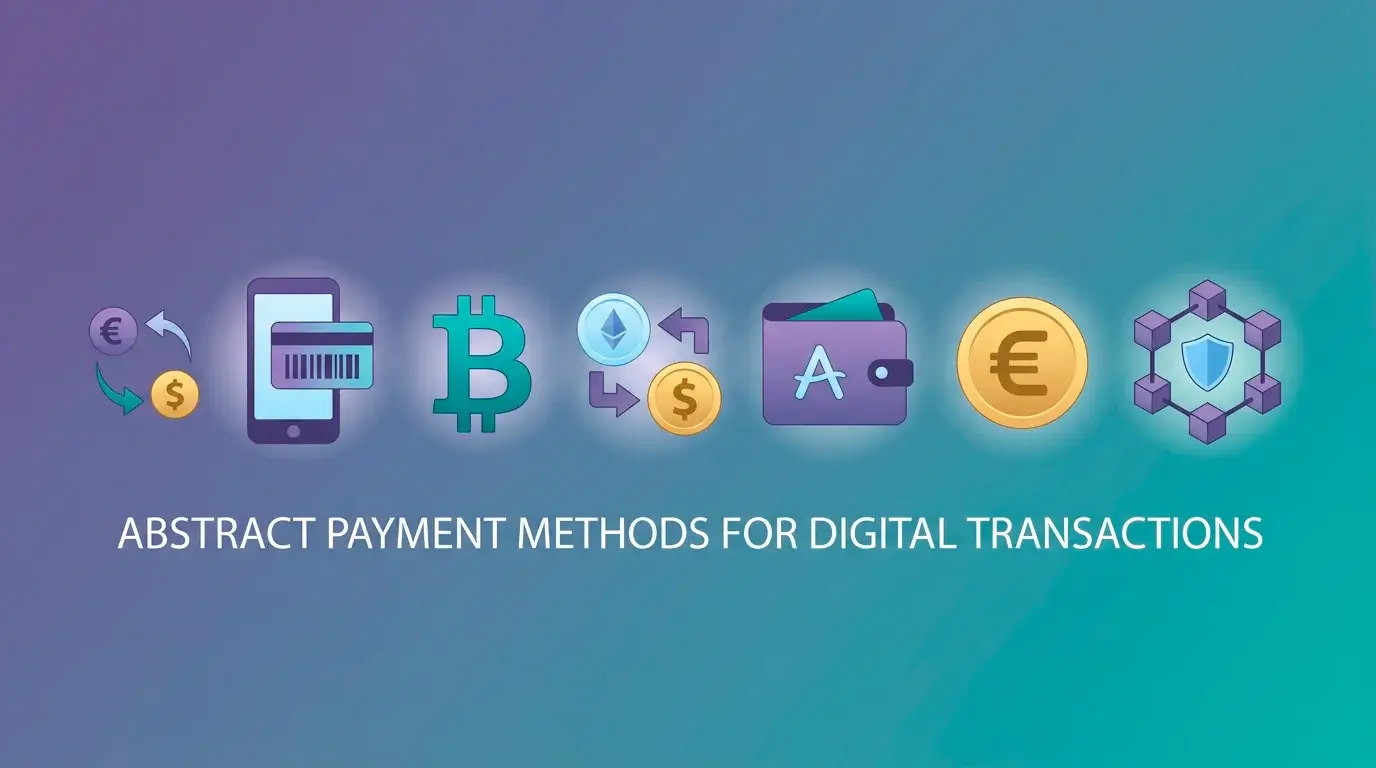
Offshore casinos draw on a wider but less predictable set of payment rails. Debit cards still appear, but acceptance is inconsistent because some UK card issuers and PayPal actively decline transactions to gambling sites that lack a UK licence, so a card that works on a licensed site may simply be refused. Where cards are blocked, sites lean on e-wallets such as Skrill and Neteller, on the open-banking transfer method Trustly where supported, and increasingly on cryptocurrency, with Bitcoin, Ethereum and the dollar-pegged stablecoin USDT the most common choices. Crypto is the single biggest divergence from the UKGC market: licensed UK sites rarely touch it, while a large share of the non-GamStop segment treats it as a headline feature.
Currency is the quieter problem. Many offshore casinos default to euros or US dollars rather than pounds, which means a UK player deposits and withdraws through a conversion layer, paying a spread on the way in and again on the way out, and sometimes a further fee from the card issuer or wallet. A bonus advertised as a four-figure sum in euros is not what it appears once it is converted and once the withdrawal limits are read. Before depositing anywhere offshore, the single most useful check is whether the site genuinely supports GBP end to end, or whether every transaction quietly passes through a currency conversion you did not choose. The licence a site holds shapes which rails and currencies it offers, which is why the offshore licence jurisdictions explainer is worth reading alongside this page.
What “no KYC” really means, and when verification actually happens
The phrase “casinos not on GamStop without KYC” is one of the most searched modifiers in this niche, and it is also one of the most misunderstood. In almost every case, “no KYC” does not mean an account that never verifies identity. It means verification is deferred: you can register, deposit and play with little more than an email address, because the document check is held back until you try to withdraw, and usually only above a threshold, commonly somewhere between GBP 2,000 and GBP 5,000 of cumulative withdrawals. Below that line many sites pay out with minimal checks; above it, or on any pattern the operator flags, the full Know Your Customer process arrives.
This timing is the heart of the problem rather than a convenience. Because the deposit is taken before identity is confirmed, a player can fund an account, win, and only then discover that the withdrawal triggers a document request the operator can administer slowly, inconsistently, or, in the worst cases, as a pretext to stall payment. Treated honestly, “no KYC” is not a benefit to seek out; it is a description of when the friction lands and how much leverage the operator holds at the moment you most want your money. A licensed UK site front-loads that verification by design, which feels intrusive but removes the late-stage surprise. The recurring patterns that grow out of deferred verification, including stalling and account freezes after wins, are documented in the due-diligence guide.
Deposit speed is not withdrawal speed
Offshore marketing tends to foreground how fast you can fund an account, and deposits genuinely are quick across cards, e-wallets and crypto. Withdrawals are a separate story and the more important one. Crypto withdrawals can be near-instant once an account is verified, which is part of the appeal, but card and bank-transfer payouts are frequently slower than the licensed market, sometimes spanning several working days, and they sit behind the verification checkpoint described above. Weekly or monthly withdrawal caps are common and are often buried in the terms rather than displayed at the cashier, so a large win may be released in instalments over weeks rather than paid in a single transfer.
None of the UK payment protections apply here. There is no guaranteed Faster Payments settlement, no assurance of pound-denominated payouts, and no UKGC-mandated dispute route if a withdrawal is delayed or refused. A complaint has to go through the foreign regulator named on the licence, any independent dispute service the operator chooses to use, or the operator’s own complaints desk, none of which carries the weight of UK alternative dispute resolution. That gap is why the safest behaviour, for anyone who proceeds at all, is to treat the first withdrawal as a test rather than a formality.
Sensible payment checks before any money moves
If a reader is going to proceed despite the gaps, the payment-side due diligence is straightforward and worth doing in order. Confirm before depositing that the site supports GBP rather than quietly converting to euros or dollars, and read the deposit and withdrawal limits at the cashier rather than trusting the bonus headline. Identify which payment method you will use to withdraw, since the method that funds an account is not always the method that pays it out. Then make the smallest viable deposit, play a single round, complete the verification the site asks for, and request a small withdrawal, assessing the bonus terms only after that test cashout has actually settled in your account.
This sequence does not make an offshore site safe; it makes the risk visible early and cheaply, before a meaningful balance is exposed.
The broader safety framework, including how to read a licence claim and where to check complaint histories, continues in the risk and due-diligence guide, and anyone weighing these choices because of a self-exclusion they want to honour should read the dedicated section on responsible-gambling tools further down this page.
This material was created by the GamStop Bypass Casino team.
Where the payout risk really sits: the due-diligence guide.
Related posts

Terms of Use

UK Gambling Casino Sites and Slots: What to Check