
Spotting Unsafe Offshore Casinos: A Risk and Due-Diligence Guide
 Available in GB
Most listicles in this niche answer the safety question with a single reassuring line: a casino is safe if it holds a licence. That is not how risk works once a site sits outside the UK Gambling Commission’s protections. The licence on the footer tells you which foreign regulator might, in theory, hear a complaint; it tells you very little about whether you will be paid. This guide replaces “safe if licensed” with a concrete picture of the gaps a non-GamStop casino leaves open, the recurring patterns that turn those gaps into lost money, and a due-diligence checklist for anyone who decides to proceed anyway.
The full picture is in our guide to casinos not on GamStop.
The structural gaps every offshore casino leaves open
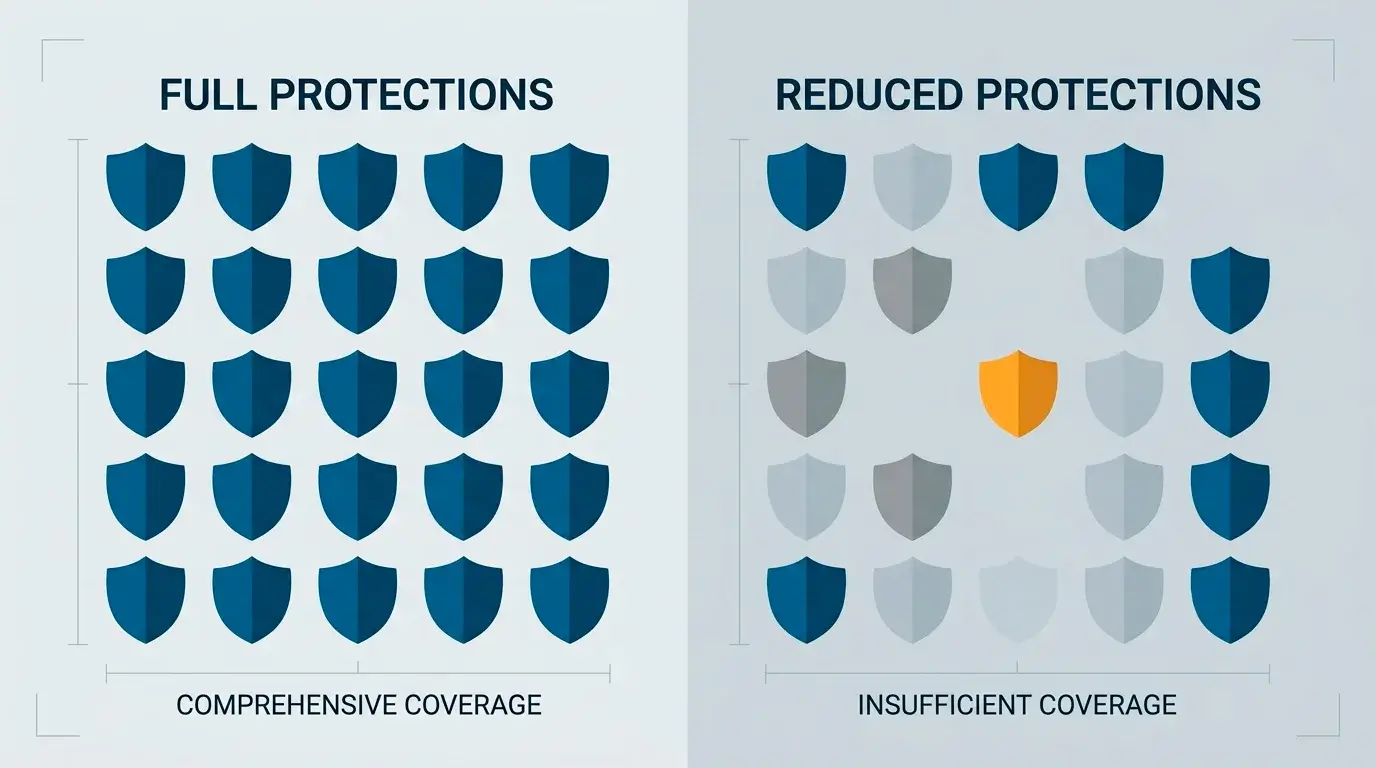
Before any individual operator’s behaviour comes into view, there are gaps that apply to the whole segment by definition, because they are the protections the UKGC licence creates and the offshore licence does not. The first and most serious is the absence of any GamStop link. A casino not on GamStop is, by definition, not connected to the national self-exclusion database, so a player who excluded themselves precisely to stop gambling can open a fresh account in minutes. This is not a technicality; it is the central harm issue of the entire niche, and it is the reason responsible-gambling bodies treat offshore play with concern rather than neutrality.
The second gap is dispute resolution. UKGC-licensed sites must offer independent alternative dispute resolution through approved bodies such as eCOGRA or IBAS, and the Commission stands behind the licence. Offshore, none of that applies: a complaint routes to the foreign regulator named on the licence, to whatever independent service the operator has chosen, or to the operator’s own complaints desk, and the practical weight of those routes ranges from modest to nonexistent. Add to this the absence of UK affordability checks at the roughly GBP 150 and higher thresholds, the lack of any guarantee of pound-denominated payouts or Faster Payments settlement, variable identity verification, and payment friction when UK banks decline transactions, and the result is a market with materially fewer backstops. The legal background to why these protections stop at the UKGC perimeter is set out in what UK law actually says about playing offshore.
The recurring patterns that turn gaps into losses
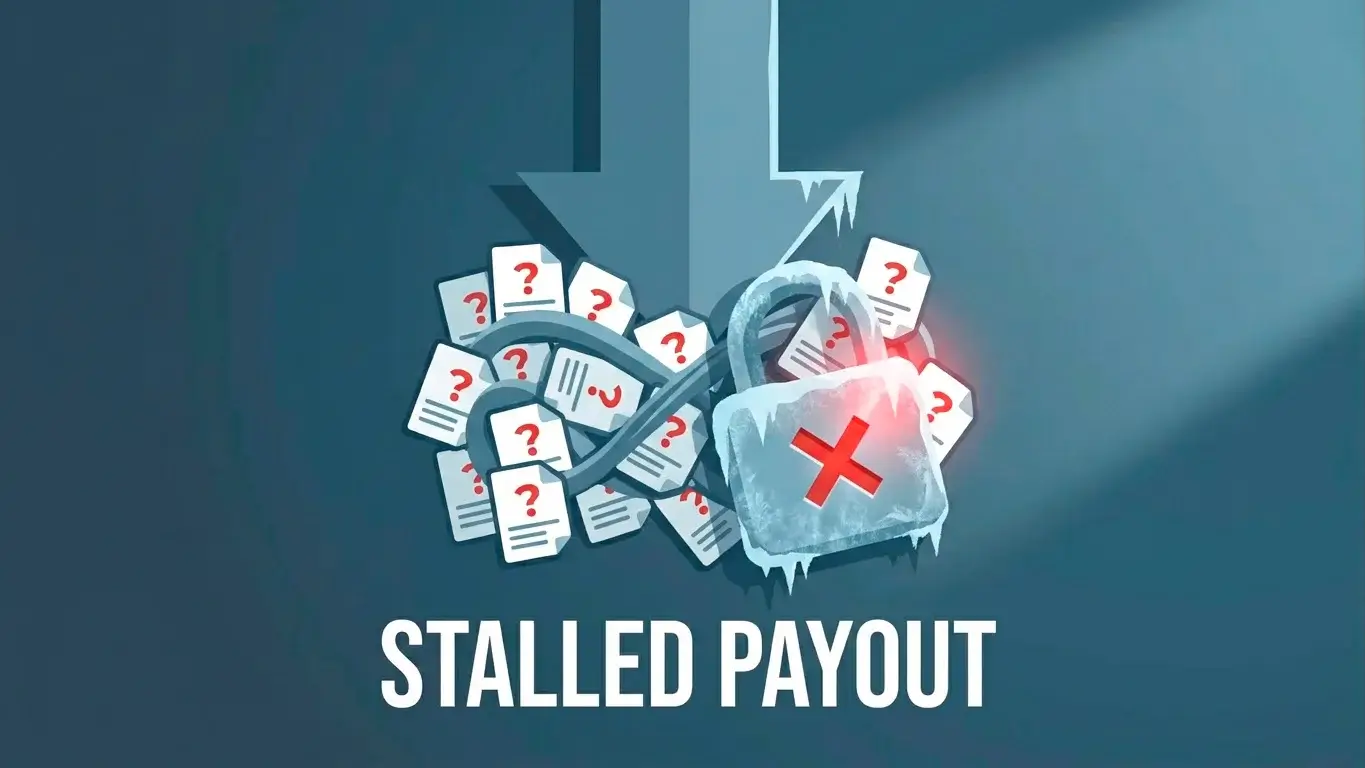
Complaint data gathered across player-review platforms, Trustpilot and support-forum threads shows the same handful of patterns repeating across unsafe operators, and learning to recognise them is more useful than any single blocklist. The most common is withdrawal stalling: an account pays small sums without trouble, then a larger withdrawal after a winning run triggers sudden delays, repeated document requests, or an account freeze justified by a vague “bonus abuse” or “Anti-Fraud Policy” clause that was never explained at sign-up. Because the deposit was taken before verification, the operator holds the leverage at exactly the moment the player wants to cash out.

Other patterns cluster around the same theme of shifting the goalposts. Identity documents are demanded repeatedly and then ignored, so the withdrawal never quite completes. Lookalike domains clone a legitimate-sounding brand to harvest deposits and card details through phishing. Players are pushed toward obscure crypto wallets or wire services that cannot be charged back, removing the last consumer-protection lever. Terms change unilaterally between deposit and withdrawal. Bursts of suspiciously uniform five-star reviews appear on rating sites to bury genuine complaints. And a licence is asserted in the footer as an “international licence” or “offshore licence” with no number and no named regulator, which is a strong signal that there is nothing real to verify. How money is requested and held is closely tied to these patterns, which is why the payment methods and KYC reality page is worth reading alongside this one.
How to read a licence claim instead of trusting it
The single most exploited piece of trust in this market is the word “licensed.” A licence claim is only meaningful if you can independently confirm three things: the regulator exists and is named, the licence number is real and current on that regulator’s own register, and the licence actually authorises service to the customer in front of it. On the last point, UK readers should understand that no offshore licence authorises service to UK residents, and at least one common jurisdiction, Anjouan, explicitly lists the United Kingdom among the territories its licensees must geo-block. A footer that proudly displays a Curacao or Anjouan licence is therefore not evidence the operator may lawfully serve a UK player; it is, if anything, evidence of the opposite. The jurisdiction detail behind these claims is laid out in the offshore licence jurisdictions explainer.
Verifying a licence is a short exercise that filters out a large share of the worst sites. Note the regulator and the licence number, then look them up on the regulator’s official register rather than on the casino’s own page or an affiliate listing. If there is no number, no named regulator, an expired entry, or a mismatch between the company on the register and the company taking your money, treat that as a stop sign rather than a detail to overlook. A real licence does not guarantee good conduct, but the absence of a verifiable one almost always predicts the opposite.
A practical due-diligence sequence for anyone who proceeds
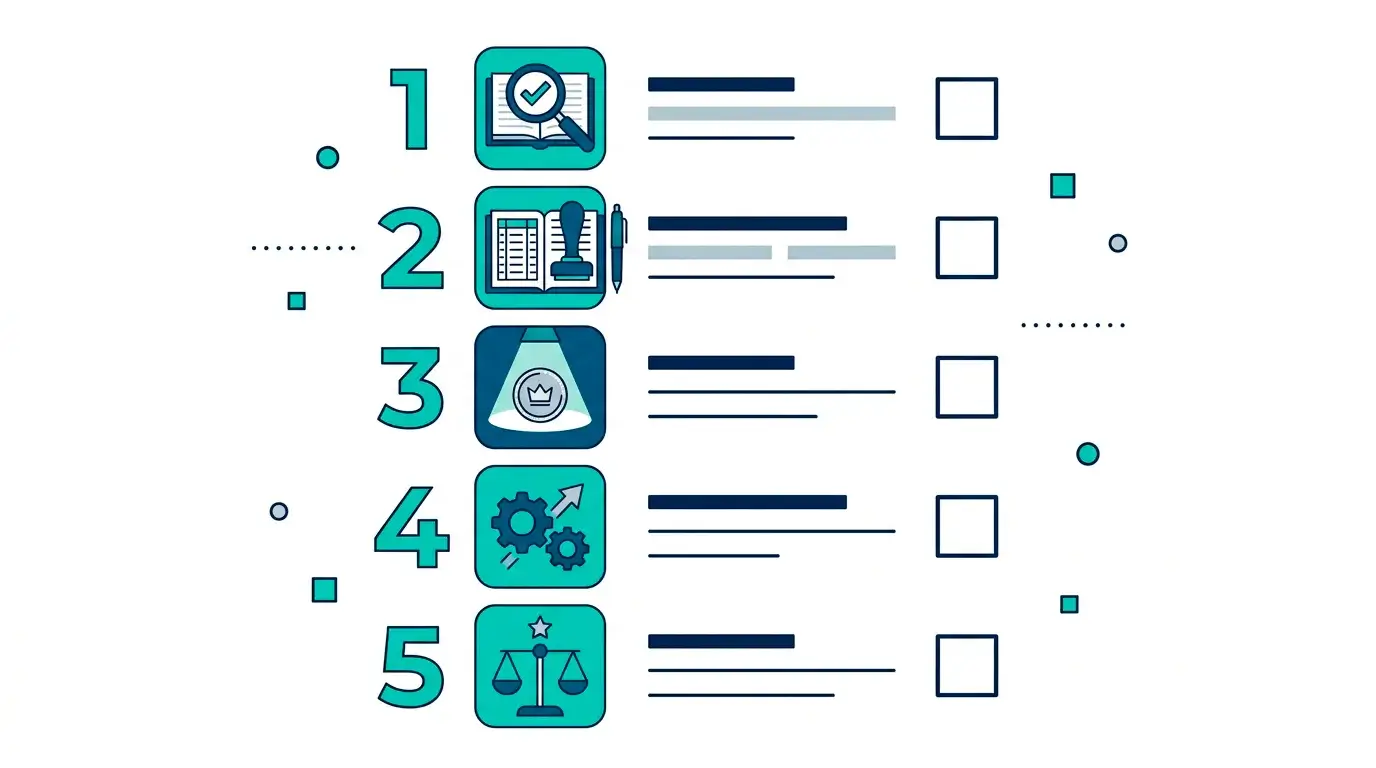
For a reader who has weighed the gaps and intends to play offshore regardless, the goal of due diligence is to make the risk visible early and to keep the exposed amount small while you test it. Start by verifying the licence number on the regulator’s official register, as set out above. Then search the operator’s name on independent complaint platforms such as AskGamblers and Casino.guru, reading the unresolved threads rather than the star average, since the pattern of how complaints are handled matters more than the headline score. Confirm the site supports pounds and read the actual deposit and withdrawal limits at the cashier before any money moves.
Only then run a live test: make the smallest viable deposit, play a single round, complete whatever verification the site requests, and request a small withdrawal, assessing the bonus terms and wagering requirements only after that first cashout has actually arrived in your account. If the test withdrawal stalls, that is the answer, delivered cheaply, before a real balance is at stake. None of this converts an unlicensed site into a protected one, and it does not address the harm issue at the centre of this whole topic. If the reason you are reading about offshore casinos is a self-exclusion you set to protect yourself, the more honest next step is the page on responsible-gambling support and blocking tools, not a test deposit.
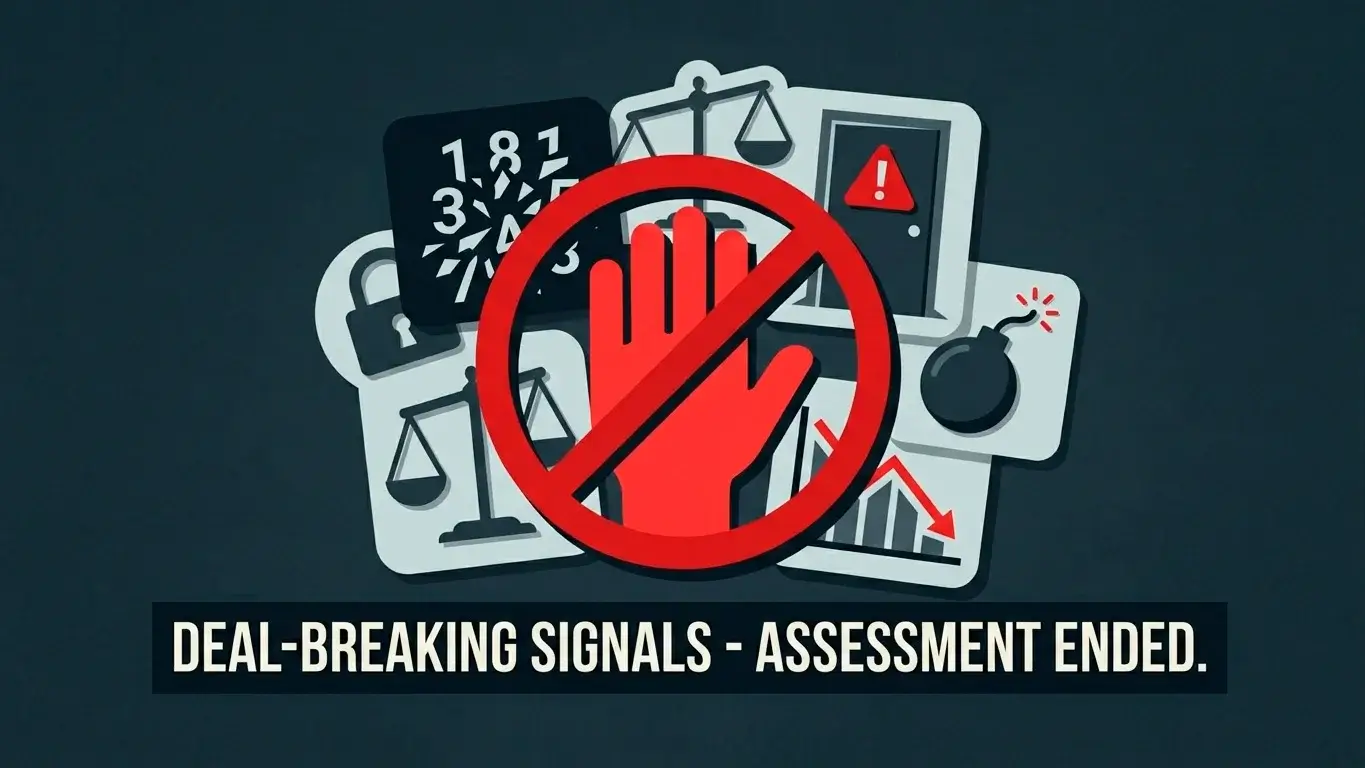
The signals that should end the assessment entirely
Reading the payment and withdrawal mechanics in detail will make these warning signs easier to spot before any money is at risk.
Start the check with the licence: the offshore jurisdictions.
This material was created by the GamStop Bypass Casino team.
Related posts
Terms of Use

UK Gambling Casino Sites and Slots: What to Check